Condition
Verified
Year
2020-2026
Acquisition
For Sale
Availability
Available
Current Location
LiveGlobal Availability
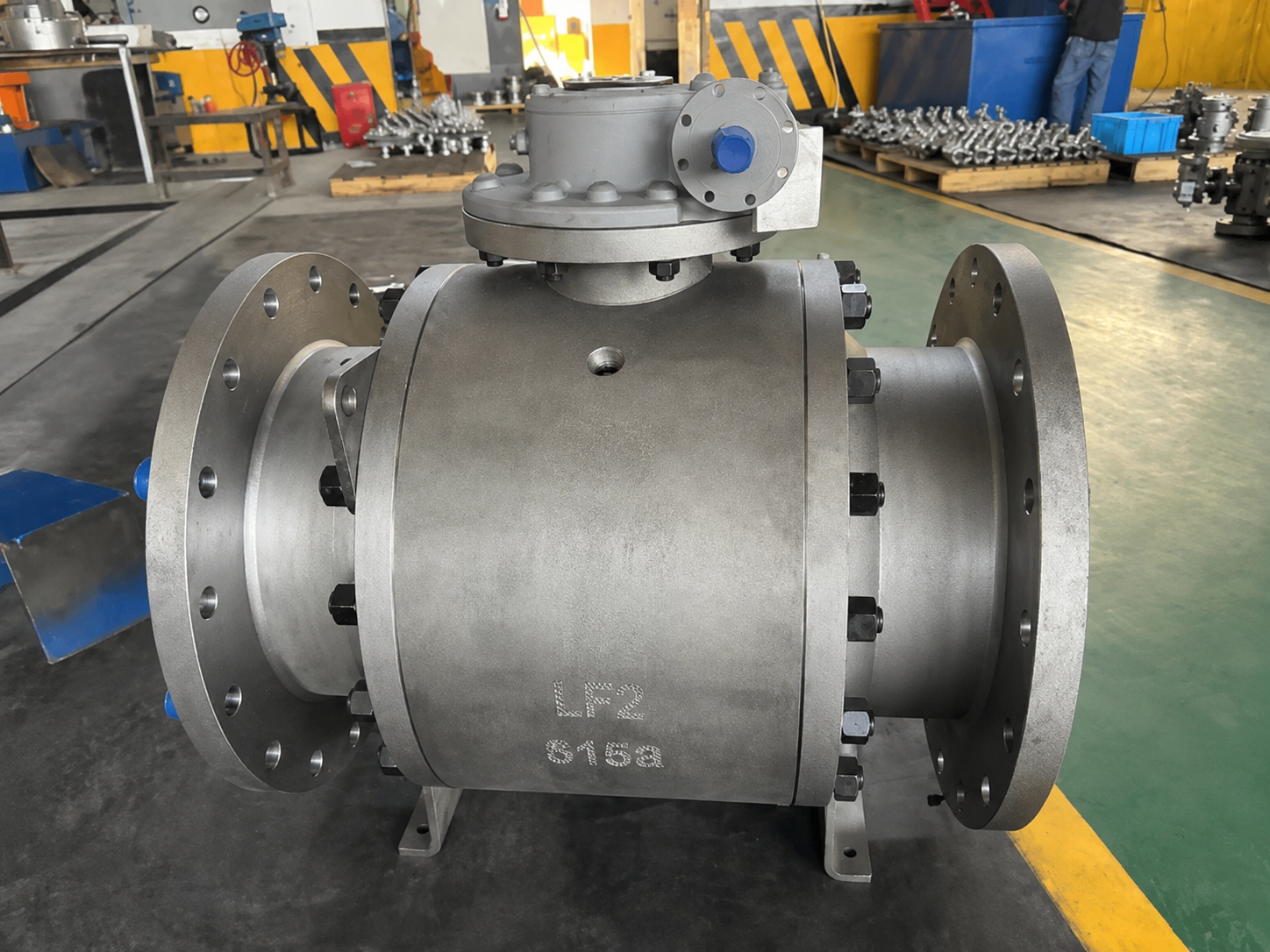
Driscoil Equipment supplies industrial Ball Valves designed for reliable isolation and control of liquids and gases in high-pressure piping systems. They are widely used in oil & gas, drilling, production, pipeline, petrochemical, marine and industrial applications. Technical Specification Specification Typical / Available Configuration Equipment Type Industrial Ball Valve Valve Design Full-port / Reduced-port Operation Manual, pneumatic, hydraulic or electric actuator Valve Type Floating or trunnion-mounted Body Construction Forged or cast steel Body Material Carbon Steel / Stainless Steel / Alloy Steel Ball Material Stainless Steel / Alloy Steel Seat Material PTFE, RPTFE, PEEK or other application-specific materials Nominal Size Typically ½"–48", depending on model Pressure Class Class 150–2,500, application dependent End Connection Flanged, threaded, socket-weld or butt-weld Flange Standard ASME B16.5 / B16.47, where applicable Pressure Rating Application and class dependent Temperature Range Approximately -29°C to +200°C+, depending on materials Flow Direction Bi-directional for suitable designs Stem Design Blowout-proof stem Sealing Double / resilient / metal-seated options Fire Safe API 607 / API 6FA configurations available Testing API 6D / API 598, as specified Face-to-Face ASME B16.10, where applicable Anti-Static Available Anti-Blowout Stem Available Locking Device Available Actuation Manual gearbox, pneumatic, hydraulic or electric Service Oil, gas, water, chemicals and compatible fluids Common Standards Depending on the valve configuration, ball valves can be supplied to standards including: API 6D — Pipeline and piping valves API 6FA — Fire testing of valves API 607 — Fire-test requirements for quarter-turn valves API 598 — Valve inspection and pressure testing ASME B16.34 — Valves, flanged, threaded and welding-end ASME B16.5 — Pipe flanges and flanged fittings ASME B16.10 — Face-to-face dimensions Key Features Quarter-turn operation Fast opening and closing Low pressure drop with full-port designs Excellent shut-off capability High-pressure service capability Bi-directional flow capability on suitable designs Blowout-proof stem Anti-static construction Fire-safe options Corrosion-resistant materials available Manual and automated configurations Suitable for critical oil & gas applications Types Available Floating Ball Valve The ball is supported primarily by the seats and moves slightly under pressure to improve sealing. Commonly used for small- and medium-bore applications. Trunnion-Mounted Ball Valve The ball is mechanically supported by upper and lower trunnions, reducing operating torque. This design is particularly suitable for large-diameter and high-pressure applications. Full-Port Ball Valve The bore through the ball closely matches the pipeline internal diameter, providing minimal flow restriction and allowing suitable pigging applications. Reduced-Port Ball Valve The smaller internal bore provides a more compact and economical configuration where full-bore flow is not required. Typical Applications Oil & Gas Production pipelines Gathering systems Wellhead facilities Flowlines Gas processing Oil terminals Drilling Mud systems High-pressure lines Well-control systems Choke and kill systems Industrial Process plants Chemical facilities Power plants Water treatment Petrochemical facilities Marine & Offshore Offshore production systems Marine pipelines Cargo systems Utility piping.
Driscoil Equipment supplies industrial Ball Valves designed for reliable isolation and control of liquids and gases in high-pressure piping systems. They are widely used in oil & gas, drilling, production, pipeline, petrochemical, marine and industrial applications. Technical Specification Specification Typical / Available Configuration Equipment Type Industrial Ball Valve Valve Design Full-port / Reduced-port Operation Manual, pneumatic, hydraulic or electric actuator Valve Type Floating or trunnion-mounted Body Construction Forged or cast steel Body Material Carbon Steel / Stainless Steel / Alloy Steel Ball Material Stainless Steel / Alloy Steel Seat Material PTFE, RPTFE, PEEK or other application-specific materials Nominal Size Typically ½"–48", depending on model Pressure Class Class 150–2,500, application dependent End Connection Flanged, threaded, socket-weld or butt-weld Flange Standard ASME B16.5 / B16.47, where applicable Pressure Rating Application and class dependent Temperature Range Approximately -29°C to +200°C+, depending on materials Flow Direction Bi-directional for suitable designs Stem Design Blowout-proof stem Sealing Double / resilient / metal-seated options Fire Safe API 607 / API 6FA configurations available Testing API 6D / API 598, as specified Face-to-Face ASME B16.10, where applicable Anti-Static Available Anti-Blowout Stem Available Locking Device Available Actuation Manual gearbox, pneumatic, hydraulic or electric Service Oil, gas, water, chemicals and compatible fluids Common Standards Depending on the valve configuration, ball valves can be supplied to standards including: API 6D — Pipeline and piping valves API 6FA — Fire testing of valves API 607 — Fire-test requirements for quarter-turn valves API 598 — Valve inspection and pressure testing ASME B16.34 — Valves, flanged, threaded and welding-end ASME B16.5 — Pipe flanges and flanged fittings ASME B16.10 — Face-to-face dimensions Key Features Quarter-turn operation Fast opening and closing Low pressure drop with full-port designs Excellent shut-off capability High-pressure service capability Bi-directional flow capability on suitable designs Blowout-proof stem Anti-static construction Fire-safe options Corrosion-resistant materials available Manual and automated configurations Suitable for critical oil & gas applications Types Available Floating Ball Valve The ball is supported primarily by the seats and moves slightly under pressure to improve sealing. Commonly used for small- and medium-bore applications. Trunnion-Mounted Ball Valve The ball is mechanically supported by upper and lower trunnions, reducing operating torque. This design is particularly suitable for large-diameter and high-pressure applications. Full-Port Ball Valve The bore through the ball closely matches the pipeline internal diameter, providing minimal flow restriction and allowing suitable pigging applications. Reduced-Port Ball Valve The smaller internal bore provides a more compact and economical configuration where full-bore flow is not required. Typical Applications Oil & Gas Production pipelines Gathering systems Wellhead facilities Flowlines Gas processing Oil terminals Drilling Mud systems High-pressure lines Well-control systems Choke and kill systems Industrial Process plants Chemical facilities Power plants Water treatment Petrochemical facilities Marine & Offshore Offshore production systems Marine pipelines Cargo systems Utility piping. Designed for safe, efficient, and compliant operations.