Condition
Verified
Year
2020-2026
Acquisition
For Sale
Availability
Available
Current Location
LiveGlobal Availability
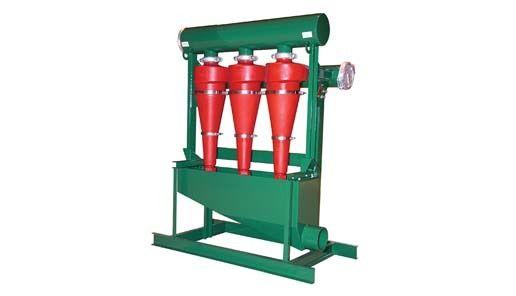
Driscoil Equipment supplies high-performance Desanders designed to remove fine to medium-sized sand and drilled solids from drilling fluids before the mud is returned to the active mud system. Desanders are an essential component of a modern solids-control system, helping protect downstream equipment and maintain drilling-fluid properties. Detailed Technical Specification Specification Typical Range / Description Equipment Type Hydrocyclone Desander Primary Function Removal of sand and drilled solids from drilling mud Operating Principle Centrifugal separation using hydrocyclones Typical Cut Point Approximately 40–100 microns, depending on hydrocyclone design and operating conditions Processing Capacity Approximately 500–2,500 GPM or higher, depending on configuration Hydrocyclones Typically 2–4 cones; configuration dependent Cone Size Commonly approximately 8–12 inches Operating Pressure Typically 30–75 psi at the hydrocyclone inlet Feed System Pressurized mud feed manifold Underflow Sand and heavier solids discharged from hydrocyclone apex Overflow Cleaned drilling fluid returned to the mud system Body Material Carbon steel / stainless steel Hydrocyclone Material Polyurethane, ceramic, aluminium or engineered composite, depending on design Feed Inlet Flanged or threaded connection Discharge Outlet Flanged connection Apex/Spigot Replaceable wear-resistant component Screening Normally installed upstream/downstream as part of a complete solids-control package Mounting Skid-mounted or mud-tank mounted Control Manual or automated pressure/flow monitoring Service Onshore and offshore drilling Note: Actual capacity and separation performance depend on mud density, viscosity, solids concentration, hydrocyclone diameter, inlet pressure and cone configuration. How a Desander Works The drilling mud enters the hydrocyclone under pressure. The hydrocyclone creates a strong centrifugal vortex that separates heavier solids from the lighter drilling fluid. Heavier sand and drilled solids move toward the outer wall and exit through the underflow/apex. Cleaned drilling fluid moves toward the centre of the cyclone and exits through the overflow. The treated mud is then returned to the active mud system. Typical Solids-Control Flow Shale Shaker → Vacuum Degasser → Desander → Desilter → Centrifuge → Active Mud System The exact equipment sequence can vary according to the drilling-fluid system and project requirements. Key Features High-efficiency hydrocyclone separation Removes unwanted sand and drilled solids Protects downstream mud-processing equipment Helps maintain drilling-fluid properties Replaceable hydrocyclone liners/cones Replaceable wear-resistant apexes Compact skid-mounted design Suitable for continuous drilling operations Available in multiple flow capacities Suitable for water-based and selected oil-based mud systems Applications Oil & Gas Drilling Land drilling rigs Offshore drilling rigs Directional drilling Exploration drilling Development wells Workover operations Drilling-Fluid Processing Desanders are used to reduce the concentration of unwanted solids before the mud reaches downstream equipment such as: Mud cleaners Desilters Centrifuges Mud pumps Mixing systems Storage tanks Important Technical Considerations When selecting a desander, Driscoil recommends confirming: Required flow rate — GPM or m³/hr Mud weight — ppg / SG Mud viscosity Sand concentration Desired cut point Hydrocyclone cone diameter Number of cones Operating inlet pressure Feed and discharge connection sizes Mud temperature Material of construction Wear-resistance requirements Onshore/offshore application Required API/project specifications Advantages ✓ Efficient sand removal ✓ Protects drilling equipment ✓ Reduces abrasive wear ✓ Improves drilling-fluid management ✓ Continuous operation ✓ Compact installation ✓ Replaceable wear components ✓ Suitable for high-volume drilling operations
Driscoil Equipment supplies high-performance Desanders designed to remove fine to medium-sized sand and drilled solids from drilling fluids before the mud is returned to the active mud system. Desanders are an essential component of a modern solids-control system, helping protect downstream equipment and maintain drilling-fluid properties. Detailed Technical Specification Specification Typical Range / Description Equipment Type Hydrocyclone Desander Primary Function Removal of sand and drilled solids from drilling mud Operating Principle Centrifugal separation using hydrocyclones Typical Cut Point Approximately 40–100 microns, depending on hydrocyclone design and operating conditions Processing Capacity Approximately 500–2,500 GPM or higher, depending on configuration Hydrocyclones Typically 2–4 cones; configuration dependent Cone Size Commonly approximately 8–12 inches Operating Pressure Typically 30–75 psi at the hydrocyclone inlet Feed System Pressurized mud feed manifold Underflow Sand and heavier solids discharged from hydrocyclone apex Overflow Cleaned drilling fluid returned to the mud system Body Material Carbon steel / stainless steel Hydrocyclone Material Polyurethane, ceramic, aluminium or engineered composite, depending on design Feed Inlet Flanged or threaded connection Discharge Outlet Flanged connection Apex/Spigot Replaceable wear-resistant component Screening Normally installed upstream/downstream as part of a complete solids-control package Mounting Skid-mounted or mud-tank mounted Control Manual or automated pressure/flow monitoring Service Onshore and offshore drilling Note: Actual capacity and separation performance depend on mud density, viscosity, solids concentration, hydrocyclone diameter, inlet pressure and cone configuration. How a Desander Works The drilling mud enters the hydrocyclone under pressure. The hydrocyclone creates a strong centrifugal vortex that separates heavier solids from the lighter drilling fluid. Heavier sand and drilled solids move toward the outer wall and exit through the underflow/apex. Cleaned drilling fluid moves toward the centre of the cyclone and exits through the overflow. The treated mud is then returned to the active mud system. Typical Solids-Control Flow Shale Shaker → Vacuum Degasser → Desander → Desilter → Centrifuge → Active Mud System The exact equipment sequence can vary according to the drilling-fluid system and project requirements. Key Features High-efficiency hydrocyclone separation Removes unwanted sand and drilled solids Protects downstream mud-processing equipment Helps maintain drilling-fluid properties Replaceable hydrocyclone liners/cones Replaceable wear-resistant apexes Compact skid-mounted design Suitable for continuous drilling operations Available in multiple flow capacities Suitable for water-based and selected oil-based mud systems Applications Oil & Gas Drilling Land drilling rigs Offshore drilling rigs Directional drilling Exploration drilling Development wells Workover operations Drilling-Fluid Processing Desanders are used to reduce the concentration of unwanted solids before the mud reaches downstream equipment such as: Mud cleaners Desilters Centrifuges Mud pumps Mixing systems Storage tanks Important Technical Considerations When selecting a desander, Driscoil recommends confirming: Required flow rate — GPM or m³/hr Mud weight — ppg / SG Mud viscosity Sand concentration Desired cut point Hydrocyclone cone diameter Number of cones Operating inlet pressure Feed and discharge connection sizes Mud temperature Material of construction Wear-resistance requirements Onshore/offshore application Required API/project specifications Advantages ✓ Efficient sand removal ✓ Protects drilling equipment ✓ Reduces abrasive wear ✓ Improves drilling-fluid management ✓ Continuous operation ✓ Compact installation ✓ Replaceable wear components ✓ Suitable for high-volume drilling operations Designed for safe, efficient, and compliant operations.