Condition
Verified
Year
2018-2026
Acquisition
For Sale
Availability
Available
Current Location
LiveGlobal Availability
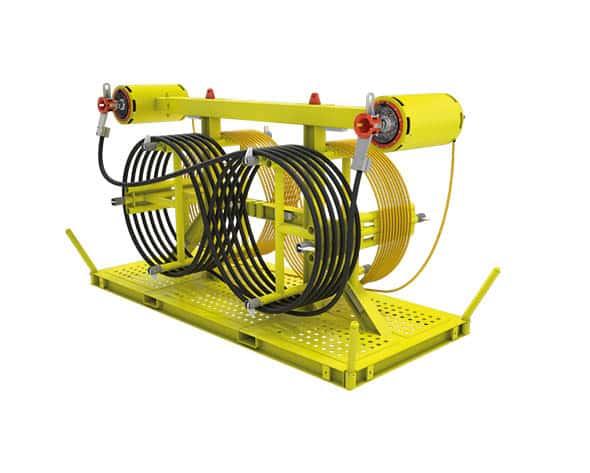
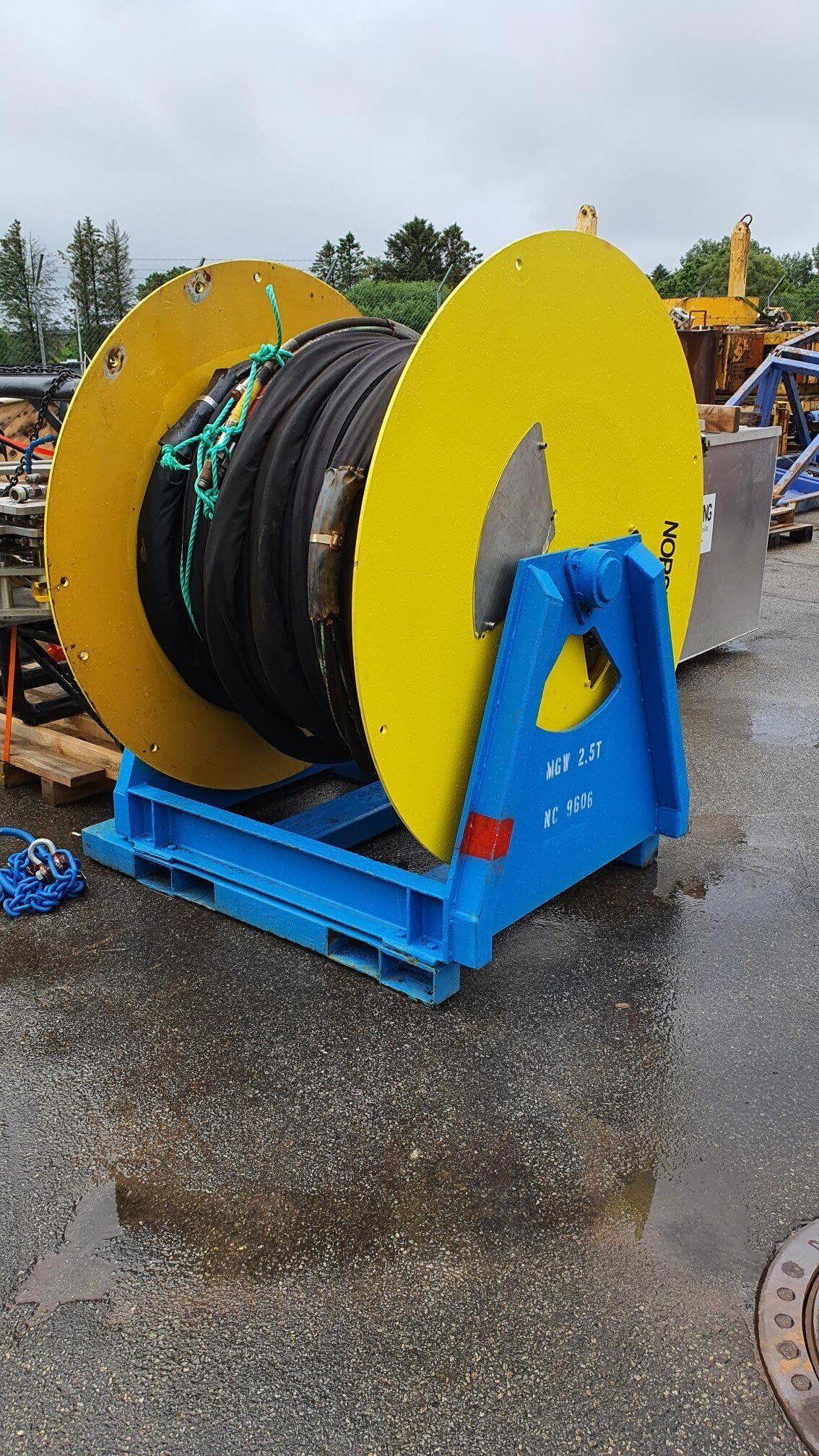
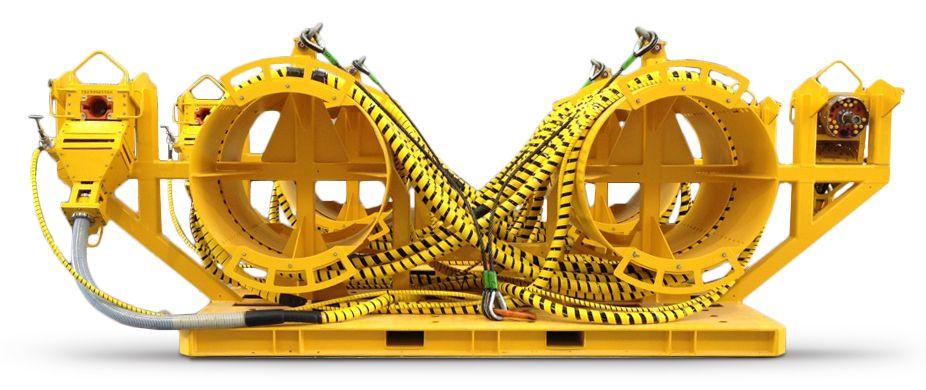
Driscoil Equipment supplies Hydraulic Flying Leads (HFLs) engineered for the transfer of hydraulic power and control functions between subsea equipment, manifolds, control systems and intervention packages. They are widely used in subsea production, drilling, well intervention, offshore construction and ROV operations. Technical Specification Specification Typical / Available Configuration Equipment Type Subsea Hydraulic Flying Lead Primary Function Hydraulic power and control-fluid transmission Application Subsea production, drilling & intervention Configuration Single or multi-line hydraulic hose assembly Hydraulic Lines 1–20+ lines, application dependent Working Pressure Typically 3,000–10,000 psi, model dependent Test Pressure Typically 1.5 × working pressure, subject to design standard Hose Type High-pressure thermoplastic or reinforced hydraulic hose Inner Tube Chemical-resistant elastomer/thermoplastic Reinforcement High-strength synthetic fibre / steel reinforcement Outer Cover Abrasion- and seawater-resistant protective cover End Connections Subsea hydraulic couplers / proprietary connectors Connector Type ROV-compatible or diver-assisted, depending on application Length Application-specific; typically several metres to tens of metres Hydraulic Fluid Water-glycol, mineral-based or application-approved hydraulic fluid Operating Temperature Typically approximately -20°C to +60°C, dependent on hose and fluid Subsea Rating Dependent on water depth and connector design Bend Radius Manufacturer/model specific Protection Bend restrictors, abrasion protection and protective armour available Buoyancy Neutral / positive buoyancy options available Identification Line numbering and colour coding available Testing Pressure, leak, function and electrical continuity testing where applicable Note: Exact working pressure, water-depth rating, hose bore, connector type, length and temperature range must be confirmed against the manufacturer's datasheet for the selected flying lead. Main Components 1. Hydraulic Hoses High-pressure flexible hoses transmit hydraulic fluid between subsea equipment and the control system. Multiple hoses can be bundled together to provide independent hydraulic functions. 2. Subsea Connectors Flying leads can be equipped with hydraulic quick-disconnect couplers designed for reliable subsea connection and disconnection. 3. Bend Restrictors Bend restrictors prevent the hose from exceeding its minimum allowable bend radius during deployment and operation. 4. Protective Armour External protection can be incorporated to protect hydraulic lines against abrasion, impact, crushing and subsea handling damage. 5. ROV Interface ROV-compatible handles and connection mechanisms can be provided for remotely operated subsea installation. Typical Applications Subsea Production Subsea trees Manifolds Distribution units Hydraulic control systems Production control modules Offshore Drilling & Intervention Subsea well-control systems Intervention packages Hydraulic tooling BOP-related control systems Workover and completion equipment ROV Operations Hydraulic tooling Subsea construction Remote valve operation Intervention systems Equipment deployment Key Features High-pressure hydraulic transmission Flexible subsea configuration Multi-line hydraulic bundles ROV-compatible options Quick-disconnect subsea couplings High seawater resistance Abrasion-resistant protection Bend-restrictor protection Custom lengths available Multiple pressure ratings Suitable for deepwater applications Available with dedicated identification and testing documentation.
Driscoil Equipment supplies Hydraulic Flying Leads (HFLs) engineered for the transfer of hydraulic power and control functions between subsea equipment, manifolds, control systems and intervention packages. They are widely used in subsea production, drilling, well intervention, offshore construction and ROV operations. Technical Specification Specification Typical / Available Configuration Equipment Type Subsea Hydraulic Flying Lead Primary Function Hydraulic power and control-fluid transmission Application Subsea production, drilling & intervention Configuration Single or multi-line hydraulic hose assembly Hydraulic Lines 1–20+ lines, application dependent Working Pressure Typically 3,000–10,000 psi, model dependent Test Pressure Typically 1.5 × working pressure, subject to design standard Hose Type High-pressure thermoplastic or reinforced hydraulic hose Inner Tube Chemical-resistant elastomer/thermoplastic Reinforcement High-strength synthetic fibre / steel reinforcement Outer Cover Abrasion- and seawater-resistant protective cover End Connections Subsea hydraulic couplers / proprietary connectors Connector Type ROV-compatible or diver-assisted, depending on application Length Application-specific; typically several metres to tens of metres Hydraulic Fluid Water-glycol, mineral-based or application-approved hydraulic fluid Operating Temperature Typically approximately -20°C to +60°C, dependent on hose and fluid Subsea Rating Dependent on water depth and connector design Bend Radius Manufacturer/model specific Protection Bend restrictors, abrasion protection and protective armour available Buoyancy Neutral / positive buoyancy options available Identification Line numbering and colour coding available Testing Pressure, leak, function and electrical continuity testing where applicable Note: Exact working pressure, water-depth rating, hose bore, connector type, length and temperature range must be confirmed against the manufacturer's datasheet for the selected flying lead. Main Components 1. Hydraulic Hoses High-pressure flexible hoses transmit hydraulic fluid between subsea equipment and the control system. Multiple hoses can be bundled together to provide independent hydraulic functions. 2. Subsea Connectors Flying leads can be equipped with hydraulic quick-disconnect couplers designed for reliable subsea connection and disconnection. 3. Bend Restrictors Bend restrictors prevent the hose from exceeding its minimum allowable bend radius during deployment and operation. 4. Protective Armour External protection can be incorporated to protect hydraulic lines against abrasion, impact, crushing and subsea handling damage. 5. ROV Interface ROV-compatible handles and connection mechanisms can be provided for remotely operated subsea installation. Typical Applications Subsea Production Subsea trees Manifolds Distribution units Hydraulic control systems Production control modules Offshore Drilling & Intervention Subsea well-control systems Intervention packages Hydraulic tooling BOP-related control systems Workover and completion equipment ROV Operations Hydraulic tooling Subsea construction Remote valve operation Intervention systems Equipment deployment Key Features High-pressure hydraulic transmission Flexible subsea configuration Multi-line hydraulic bundles ROV-compatible options Quick-disconnect subsea couplings High seawater resistance Abrasion-resistant protection Bend-restrictor protection Custom lengths available Multiple pressure ratings Suitable for deepwater applications Available with dedicated identification and testing documentation. Designed for safe, efficient, and compliant operations.